The phone doesn't care what day it is
A storm rolls through on a Tuesday. By Thursday your phone has rung forty times. Your office — you, maybe one person up front, a crew that's supposed to be on roofs, not answering calls — gets to six of them.
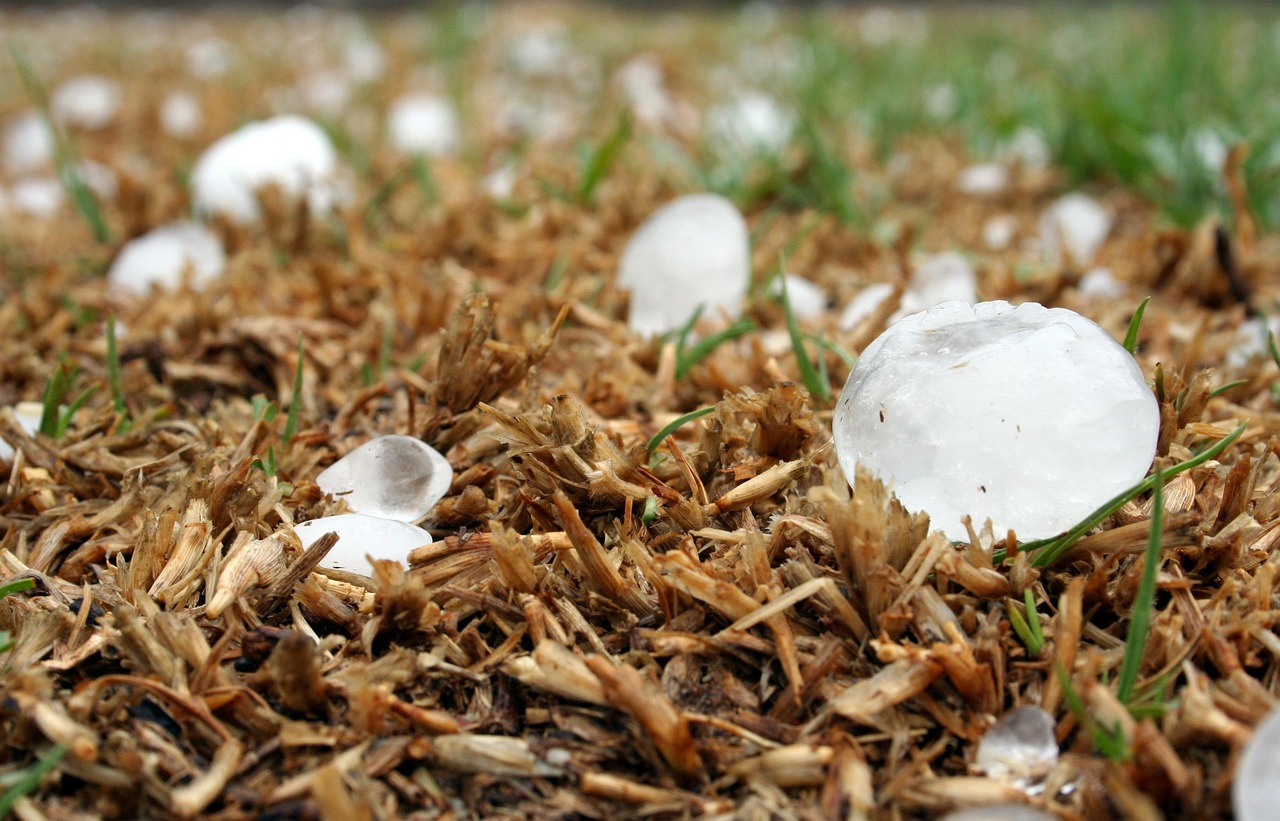
That's not a hypothetical. On March 10, 2025, the National Weather Service logged more than 650 hail events across nine states in a single stretch, and that one wave of storms had already helped push Midwest claims past 50,000 for the year [1]. When hail hits a neighborhood, it doesn't hit one house. It hits the block, then the next block, and every homeowner on that street picks up the phone within the same 48 hours.
State Farm alone paid out over $5.6 billion in hail claims in 2025, with Texas taking the biggest hit at $1.4 billion [1]. That's just one carrier. Multiply that across every insurer paying roof claims and you start to see why your phone goes from quiet to unmanageable overnight — and why it stays that way for days, not hours.
What six answered calls out of forty actually costs
Here's the math, and it's conservative on purpose.
The average homeowner hail claim has run about $9,000 over the past decade [5]. Average roof replacement cost climbed to $17,631 in 2025 [2]. Even average repair work — not full replacement — now averages $4,699 [2].
Say your office gets to six of those forty calls during a storm week. The other thirty-four ring, go to voicemail, and the homeowner — standing in their driveway looking at hail dents, insurance adjuster's number already in hand — calls the next roofer on the list. They don't wait. They can't. The adjuster is coming, and they want someone lined up before that appointment.
If even ten of those thirty-four missed calls were real jobs at the average repair cost of $4,699, that's $46,990 walking to a competitor who happened to pick up [2]. If a few of those were full replacements at $17,631, the number climbs fast [2].
This isn't a slow-season problem. It's the opposite. Storm claim volume is exactly when your phone is worth the most, and exactly when it's hardest to answer.
Why this keeps getting worse, not better
Roof claims aren't shrinking. Sixteen states now see severe hail impact more than 20% of roofs in a given year, up from twelve states the year before, with one state topping 51.8% [3]. Non-catastrophic wind and hail claims — the kind that don't make the news but still mean a homeowner needs a roofer now — rose from 17% to 25% of all residential claims between 2022 and 2024 [3].
And the industry itself is bracing for more volume: 78% of roofing contractors surveyed for the 2026 State of the Roofing Industry Report expect sales to increase this year, and 89% expect growth over the next three years [4]. Everyone's chasing the same storm-week calls. Labor costs are climbing too — 55% of contractors reported rising labor costs, up 14% on average [4] — which makes it even harder to justify pulling a crew member off a roof to sit at a desk answering phones that mostly ring during the two or three days a month it actually matters.
What fixing it looks like
You don't need six more office staff sitting idle eleven months out of the year waiting for a storm. You need every call answered the day it comes in, whether that's a quiet Tuesday or the Thursday after hail rolls through and your phone rings forty times before lunch.
That's the whole problem in one sentence: your call volume is unpredictable by nature, but your staffing is fixed. Storm week doesn't send you a memo. It just sends forty calls.
An answering service built for roofing doesn't replace your team — it means the thirty-four calls that would've gone to voicemail get picked up, the homeowner gets a real person, and the job gets booked before they call the next name on the list. You can see how the setup works and what it actually covers on the roofing answering service page, and if you want to see what missed calls are costing you in plain numbers, the ROI calculator will do that math with your own average ticket instead of ours.
If you run a roofing company and want to hear how this answers your phone during the next storm week, the call is twenty minutes.